
BLOG
Moss Roof or Moss Wall? Choosing the Right System
Moss is a small plant with a big job in the city. It cools, captures fine dust, buffers rainwater and gives insects somewhere to live, and it needs very little care. Respyre offers it in two forms: Moss Sedum panels for roofs and Mosscrete for walls. They share a plant but not a way of working, so the right choice starts with the surface you have.
Start with the surface
A roof and a wall ask different things of a green system. A roof is flat or gently sloped, and what matters is how quickly it can be covered and how much rain it can hold. A wall is vertical, and what matters is whether the moss can attach itself to the material and stay there.
Moss Sedum: ready-grown panels for roofs
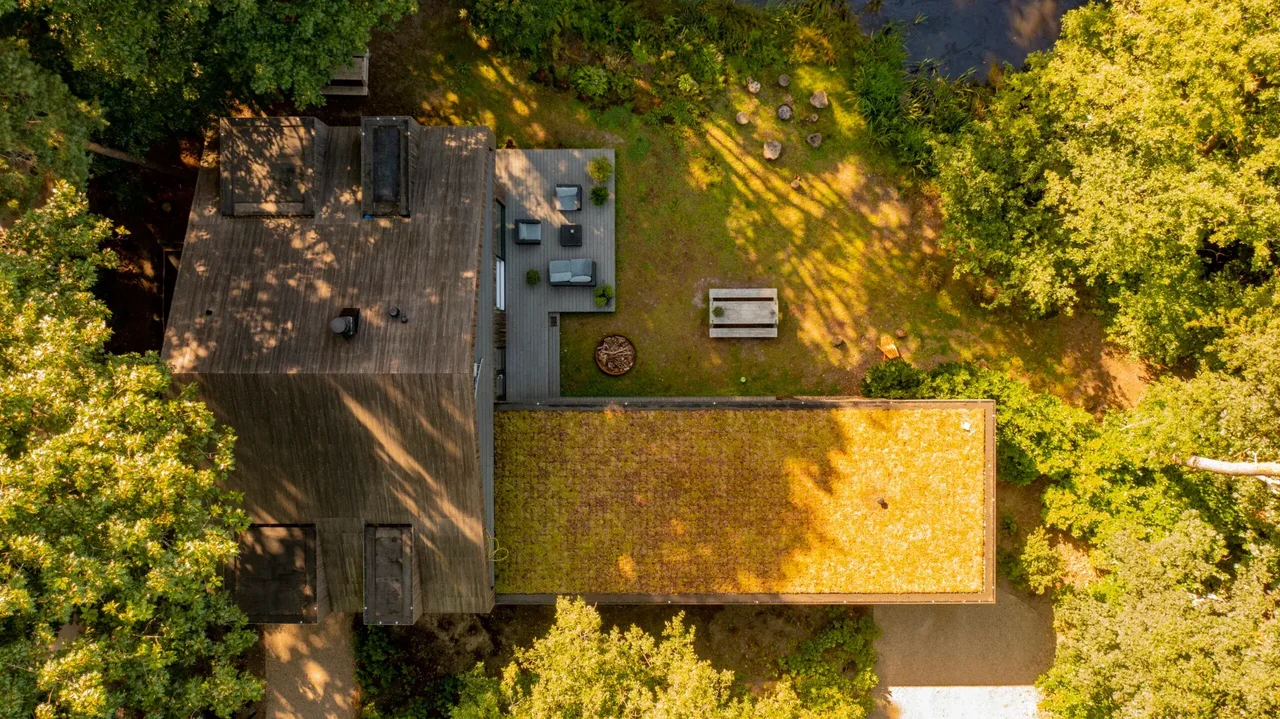
Moss Sedum is a prefabricated green roof system. The lightweight panels arrive pre-cultivated with a selected mix of moss species and are placed on suitable flat or slightly sloped roofs with minimal preparation. Because the moss is already grown, there is no planting and no establishment period, which reduces installation time and labour compared with traditional green roofs. That makes it suitable for new buildings and for retrofits.
On the roof, the moss layer retains rainwater, which lowers peak runoff and eases the pressure on drainage during heavy showers. The panels also add thermal insulation, limiting heat gain in summer and heat loss in winter. Moss does not need mowing, fertilising or intensive irrigation, so it suits commercial buildings, public infrastructure and roofs that are hard to reach.
Mosscrete: bioreceptive concrete for walls
Mosscrete works the other way around. Instead of placing moss on a surface, it makes the surface welcoming to moss. The concrete's composition, porosity and pH are engineered so that moss colonises it naturally, using only rainwater and ambient humidity, without soil or an irrigation system. Once established, the moss layer cools the facade, captures fine particulate matter and supports biodiversity.
There are options for new construction and for renovation: sandwich panels, cavity walls, concrete walls, insulated panels and noise barriers. For existing buildings, a bioreceptive layer can be plastered directly onto the current wall, so a renovation does not have to mean a rebuild.
Questions to ask before you choose
Is the surface horizontal or vertical? Roofs point to Moss Sedum, walls to Mosscrete. Is it new or existing? Both systems work for new builds and retrofits, but the product variant differs. Where is the problem? If heavy rain overloads the drains, a roof buffers water. If the facade heats up, a wall brings the temperature down: on a hot day a grey wall can reach around 60 degrees, while a moss-covered wall stays around 30. Who will maintain it? Both are low-maintenance, which matters most for projects where access is difficult.
Using both
Roof and wall are not rivals. On the same building, a moss roof can hold back the rain while a moss facade keeps the walls cool, and together they create more habitat for insects and small organisms than either would alone. If you are unsure which combination suits your project, describe the building and we will help you find the match.